
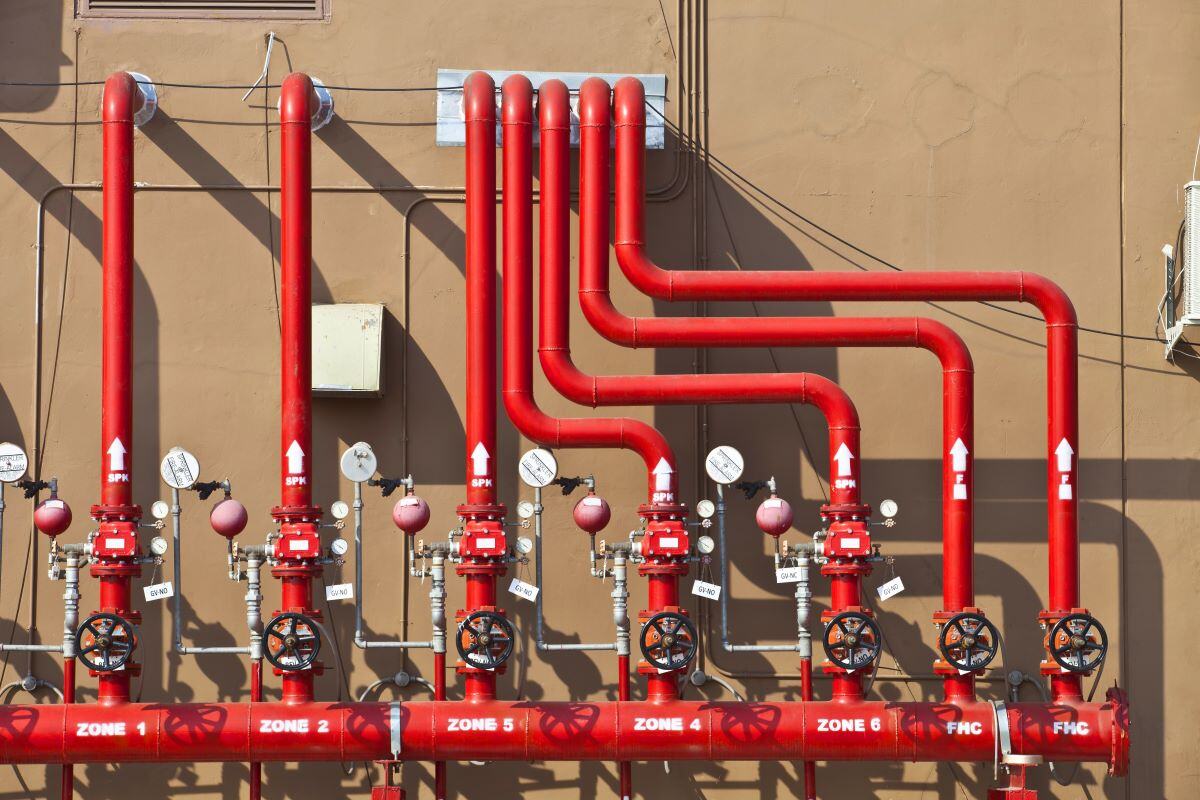
I still remember the first time fire safety really hit home for me. It wasn’t a dramatic blaze on the evening news or some big industrial accident. It was much quieter than that. A small electrical fire in a suburban building. No injuries, thankfully—but the confusion, the panic, the total lack of preparedness? That stayed with me.
You don’t really think about fire protection until the moment you need it. And by then, it’s already too late to wish you’d chosen better equipment, better planning, better people.
That’s why, over the years—writing, researching, talking to engineers, safety inspectors, and site managers—I’ve grown oddly fascinated with the companies behind the scenes. The ones whose job it is to think about the worst-case scenario so the rest of us don’t have to.
And honestly, one name kept popping up in conversations far more often than I expected: Yinglong Fire-Fighting Equipments.
Not in a flashy way. Not in an ad-you-can’t-ignore way. Just… quietly consistent.
Fire Protection Isn’t Just Equipment. It’s a Mindset.
Here’s something you might not know unless you’ve spent time around safety professionals: fire protection is as much about psychology as it is about hardware.
People assume it’s all hoses, valves, hydrants, and alarms. And yes, those matter. A lot. But what really counts is whether the equipment works instinctively when things go wrong. No second-guessing. No fiddling. No confusion.
That’s where quality manufacturers separate themselves from the pack.
When I started digging into how large-scale fire systems are designed—especially for commercial buildings, industrial zones, and high-density residential projects—it became clear that reliability isn’t a buzzword. It’s the baseline.
Companies like Yinglong Fire-Fighting Equipments don’t just produce components. They design systems meant to function under pressure—literal and figurative.
And honestly, that’s not something you can fake.
A Closer Look at What Actually Matters in Fire Equipment
Let’s slow this down for a moment, because fire equipment can sound technical fast—and I don’t want that.
At its core, good fire-fighting equipment should do three things:
- Activate when needed
- Hold up under stress
- Make human error less likely
Simple, right? In practice, it’s anything but.
Fire hydrants that fail due to corrosion. Valves that jam because of poor machining. Systems that meet “minimum standards” but crumble during real-world use. I’ve heard these stories directly from contractors who had to deal with the fallout.
What stood out to me about Yinglong Fire-Fighting Equipments is their focus on durability and system compatibility. Their products are built to integrate smoothly into larger safety infrastructures, not exist as isolated pieces.
Why Global Projects Care About Consistency (More Than Branding)
Here’s something I learned the hard way while covering infrastructure projects across different regions: global standards don’t mean global consistency.
A valve approved in one market might behave differently under different water pressures. A hydrant designed for one climate might corrode faster in another. And suddenly, that “certified” equipment becomes a liability.
This is where manufacturers with international exposure really earn their reputation.
Yinglong Fire-Fighting Equipments has supplied systems for diverse environments—industrial facilities, municipal installations, commercial developments—each with different demands. What matters isn’t just compliance, but predictability.
Installers want to know:
Will this work the same way every time?
Will replacement parts be available?
Will it integrate with existing systems without redesigning everything?
Those aren’t marketing questions. They’re practical, slightly anxious ones. And they deserve solid answers.
The Human Side of Manufacturing (Yes, It Exists)
I’ll be honest—manufacturing stories don’t always scream “human interest.” But occasionally, you find companies where the culture bleeds into the product.
Talking to engineers and distributors familiar with Yinglong Fire-Fighting Equipments, there’s a recurring theme: attention to process. Not just outcomes.
Testing protocols. Material sourcing. Iterative improvements based on field feedback. These aren’t glamorous steps, but they’re the ones that stop equipment from failing silently years later.
And that’s the thing—fire protection doesn’t get applause when it works. It only gets attention when it fails.
So manufacturers who obsess over details tend to stay under the radar. Until professionals start recommending them quietly, project after project.
A Natural Mention—Not a Sales Pitch
If you’re involved in construction, facilities management, or infrastructure planning, you’ve probably already come across Yinglong Fire-Fighting Equipments in specifications, tenders, or supplier discussions.
Not because someone pushed it aggressively—but because it fit the brief.
That’s usually how trust works in this industry. Not loud endorsements. Just repeated, low-drama success.
And if you’re someone tasked with making safety decisions that affect hundreds—or thousands—of people, that kind of quiet reliability is worth paying attention to.
Fire Safety Is About Respect—for Risk, and for People
Well, here’s the part that always sticks with me.
Fire safety isn’t about fear. It’s about respect. Respect for how quickly situations can escalate. Respect for the people who occupy a building every day without thinking about what protects them. Respect for the responsibility that comes with designing or maintaining safe spaces.
When manufacturers take that responsibility seriously—when they build equipment that doesn’t demand heroics to function—it shows.
Yinglong Fire-Fighting Equipments represents that philosophy more than most. Not because they claim to save lives in bold slogans, but because their systems are designed to just work when everything else is going wrong.
And honestly? That’s the kind of work that deserves recognition.