
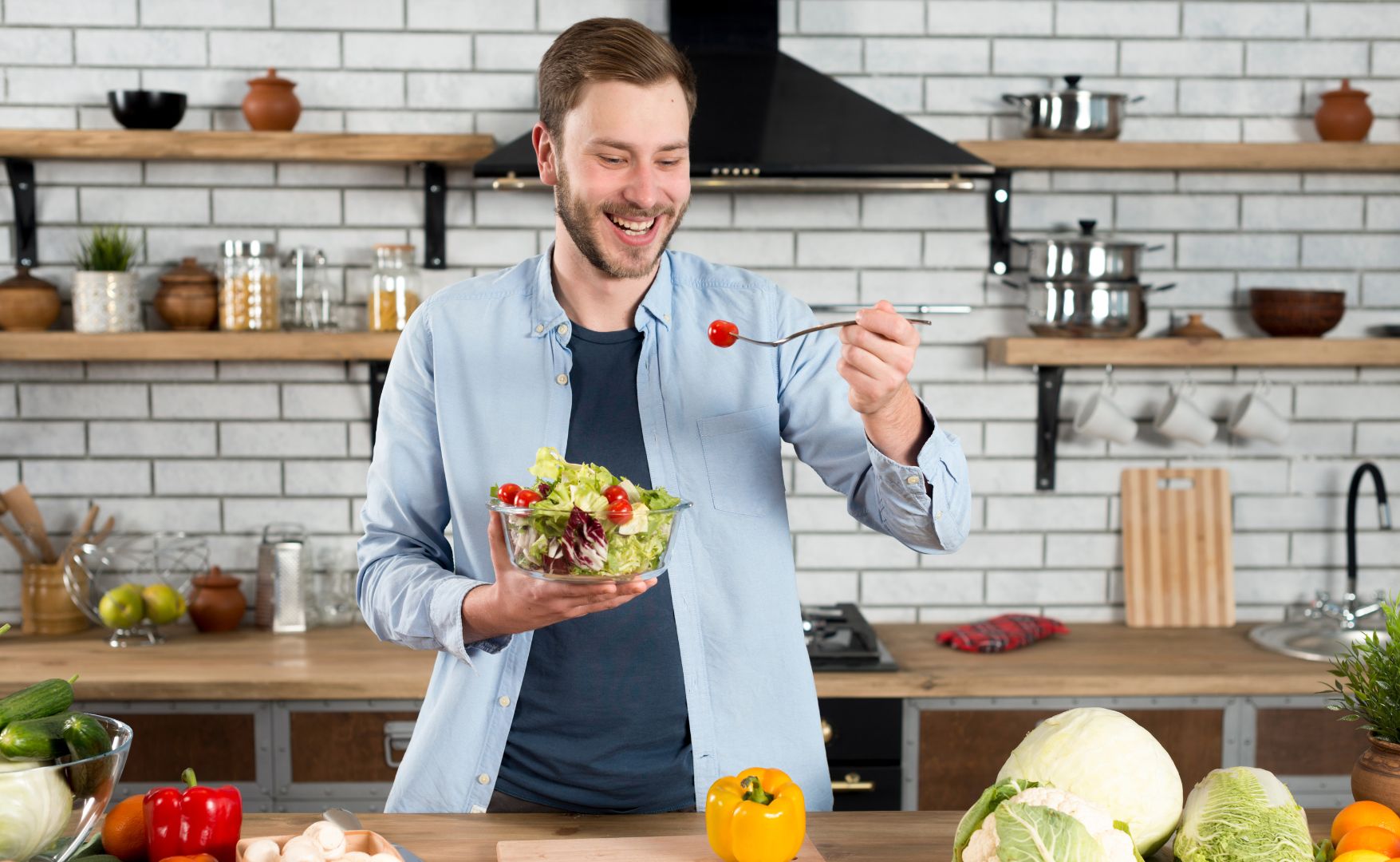
A few weeks ago, I caught myself standing in the kitchen at midnight, scrolling through food videos instead of sleeping. Not recipes exactly — more like ideas. Fermented honey. Mushroom “steaks.” Someone making noodles out of seaweed.
And I remember thinking, wow… food has really changed.
Not in the flashy, over-filtered way social media likes to show, but in a slower, more thoughtful, almost personal way. The way trends creep into your grocery cart before you realize they’ve moved in. The way you suddenly care where your olive oil comes from or why everyone’s talking about miso again.
Well, that’s what this piece is about. Not “top 10 viral foods” or anything stiff like that. This is about the food trends quietly shaping how we eat, cook, and think — and why they matter more than we give them credit for.
Food Trends Aren’t Just Trends Anymore
Here’s the thing people don’t always say out loud: food trends used to feel disposable. Remember rainbow bagels? Or activated charcoal in everything? Fun, yes. Meaningful? Not really.
What’s happening now feels different.
Today’s food trends are tied to real questions — health, climate, culture, and even identity. People aren’t just asking what tastes good, but what feels right. And that shift has changed the entire food conversation.
I was surprised to learn how many trends now start at the community level. Small kitchens. Family traditions. Local food labs. Not glossy ad campaigns.
It’s more human. A little messy. And honestly, much more interesting.
The Rise of “Intentional Eating”
Eating With Purpose (Without Being Preachy)
Let’s get one thing straight: intentional eating doesn’t mean joyless salads or counting almonds. That stereotype is tired.
What it really looks like is this:
- Choosing food that aligns with your values
- Asking questions about sourcing without guilt
- Enjoying indulgence on purpose, not by accident
People are leaning into food that tells a story. Heritage grains. Region-specific spices. Slow-fermented foods that take time because… well, good things usually do.
I’ve noticed friends talking about why they eat something, not just what. And no one’s trying to convert anyone else. That’s new.
Global Flavors, Local Hearts
Cultural Appreciation Is Finally Taking the Lead
You might not know this, but some of the most influential food trends today come from kitchens that were overlooked for decades.
West African stews. Filipino vinegar-forward dishes. Indigenous grains that survived centuries of neglect.
What’s refreshing is that people are learning to respect origins, not remix them beyond recognition. There’s curiosity instead of colonization. Credit instead of appropriation.
This shift has also changed how food media talks about trends. Platforms focused on food trends fhthopefood often highlight cultural context alongside recipes, which makes the experience richer and more responsible — not just tastier.
Plant-Based, But Make It Real
Less “Replacement,” More “Reimagination”
Remember when plant-based meant pretending vegetables were meat? We’ve moved on. Thankfully.
The new wave is about celebrating plants as they are. Mushrooms that taste like mushrooms. Lentils that aren’t hiding behind beef seasoning.
There’s something honest about that. People aren’t chasing perfection or labels anymore. They’re just experimenting.
Some weeks you’ll eat fully plant-based. Other weeks you won’t. And that’s okay. The trend isn’t purity — it’s flexibility.
Fermentation, Fire, and Flavor That Takes Time
Slow Food Is Having a Quiet Comeback
In a world obsessed with speed, slow food feels rebellious.
Fermentation, open-fire cooking, long marinades — these techniques demand patience. They don’t fit neatly into a 30-second reel, yet they’re everywhere.
Why? Because flavor is emotional.
A jar of homemade kimchi on the counter says something. So does sourdough that took days to rise. These foods connect us to time, to care, to tradition.
Honestly, I think people are craving that connection more than they realize.
Tech Is in the Kitchen (But Not in a Scary Way)
AI, Data, and Smarter Food Choices
This part surprised me. Food tech isn’t just lab-grown meat and sci-fi headlines.
It’s also:
- Apps that reduce food waste
- Smart farming that uses less water
- Data helping restaurants design healthier menus
Technology isn’t replacing food culture — it’s supporting it behind the scenes. Quietly. Efficiently.
When done right, it fades into the background and lets the food speak.
Comfort Food Gets a Makeover
Nostalgia With Better Ingredients
Here’s a trend I didn’t see coming: comfort food, upgraded — but emotionally intact.
People still want mac and cheese. Fried chicken. Dumplings. The difference is what goes into them.
Better oils. Thoughtful sourcing. Less processing. The goal isn’t to “healthify” comfort food into sadness. It’s to make it feel good after you eat it.
That balance? It’s tricky. But when it works, it really works.
Why Food Trends Matter More Than Ever
It’s About Belonging, Not Buzzwords
Food trends aren’t just about what’s popular. They’re reflections of how people feel.
Right now, people want:
- Connection
- Trust
- Transparency
- Comfort without excess
And food delivers all of that in a way few things can.
When you sit down to eat, you’re not just feeding yourself. You’re participating in culture. In economy. In tradition. In change.
That’s powerful.
A Personal Note Before We Wrap Up
I didn’t grow up thinking about food trends. We ate what we ate. End of story.
But watching how people approach food now — with curiosity, care, and a little humility — makes me hopeful. Not every trend will stick. Some shouldn’t. That’s fine.
What matters is the direction we’re moving in.
Toward food that feels human again. Food that carries meaning. Food that doesn’t shout, but still says something worth hearing.
And if you ask me, that’s a trend worth keeping.

