

Global warming in 2026 is no longer a distant risk. You can see the impact in food prices, insurance costs, energy bills, and public health alerts. The data released over the past year confirms that warming trends are accelerating in several regions.
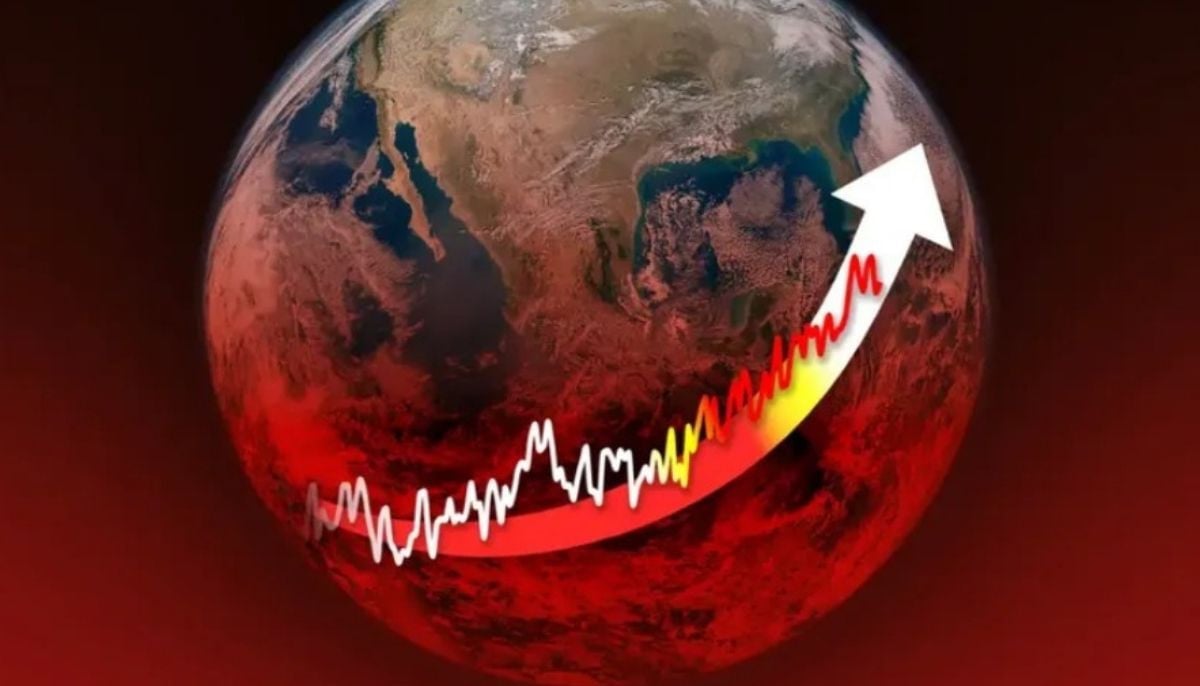
Reports from the World Meteorological Organization show that 2025 was among the three warmest years ever recorded. Early 2026 readings suggest that global average temperatures remain well above pre industrial levels. This is not a short spike. It reflects a steady rise in greenhouse gas concentrations.
TEMPERATURE RECORDS AND CLIMATE DATA IN 2026
According to the NASA, global surface temperatures have risen about 1.2 to 1.3 degrees Celsius above the late nineteenth century average. Satellite data confirms shrinking ice mass in Greenland and Antarctica. Ocean heat content is also at a record high.
Key data points you should know
• The last ten years are the warmest on record
• Ocean temperatures continue to break monthly records
• Arctic sea ice remains below historical averages
The Intergovernmental Panel on Climate Change warned that every fraction of a degree increases risks to food systems, water supply, and coastal cities. In 2026, those warnings are visible in real events.
EXTREME WEATHER EVENTS IMPACTING DAILY LIFE
Global warming in 2026 is linked to stronger heat waves, heavier rainfall, and longer droughts.
In the United States, several states faced record summer heat in 2025, with power grids under stress due to high air conditioning demand. Insurance losses from wildfires and hurricanes increased again.
In China, severe flooding affected major river basins, disrupting manufacturing and transport routes. In India, prolonged heat waves pushed wet bulb temperatures close to dangerous levels for outdoor workers.
These events are costly. They affect supply chains, crop yields, and public health. If you run a business or manage a household budget, you already feel these pressures through rising prices.
POLICY SHIFTS AND INTERNATIONAL CLIMATE ACTION
Climate policy in 2026 is shaped by pressure from voters, courts, and financial markets.
The European Union continues to expand its carbon pricing system. New rules now apply to more sectors, including shipping and parts of heavy industry. Carbon border measures are also being phased in to limit emissions linked to imports.
At the global level, negotiations under the United Nations framework remain tense. Wealthy and developing nations still debate climate finance and loss and damage funding.
The 2025 climate summit held in Belem, Brazil focused heavily on rainforest protection and methane reduction. In 2026, countries are under pressure to show real emission cuts rather than long term pledges.
RENEWABLE ENERGY AND FOSSIL FUEL TRENDS
Global warming 2026 news is not only about risks. Energy markets are shifting.
Solar and wind capacity expanded again in 2025, driven by lower costs and public incentives. Battery storage projects are scaling up to stabilize grids during peak demand. Electric vehicle sales continue to grow in large markets.
At the same time, fossil fuel demand has not dropped fast enough to align with climate targets. Oil and gas production remains high in several regions. This gap between targets and actual emissions is one of the main concerns raised in recent climate reports.
If you are a homeowner or investor, you should watch energy transition trends closely. Energy efficiency upgrades and clean power options can reduce both emissions and monthly bills.
ECONOMIC COSTS OF GLOBAL WARMING IN 2026
Climate related disasters are increasing insurance premiums and public spending.
Governments are allocating more funds for disaster recovery, water management, and heat adaptation. Health systems are investing in cooling centers and heat response plans. Agriculture sectors are adjusting planting seasons and crop varieties.
For you, this means
• Higher food prices during drought years
• Increased home insurance costs in high risk zones
• Greater demand for energy efficient housing
Companies are also facing climate disclosure rules. Investors now examine climate risk exposure before funding projects.
WHAT YOU CAN DO IN 2026
Global warming can feel overwhelming. Practical steps still matter.
At home
• Improve insulation and reduce energy waste
• Switch to renewable electricity if available
• Reduce food waste and choose lower emission transport when possible
At work
• Support energy audits and efficiency upgrades
• Track supply chain climate risks
• Advocate for realistic emission targets backed by data
In your community
• Engage in local planning discussions about flood control and heat response
• Support tree planting and green space protection
• Stay informed about local climate adaptation plans
Global warming latest news 2026 shows that climate change is not slowing. Data, policy, and market signals all point in the same direction. Your choices, especially around energy use and risk planning, are part of how societies respond to this shift.
